
Blog
Learn about native species and ecological landscaping tips from a Minnesota Master Naturalist & Master Gardener.
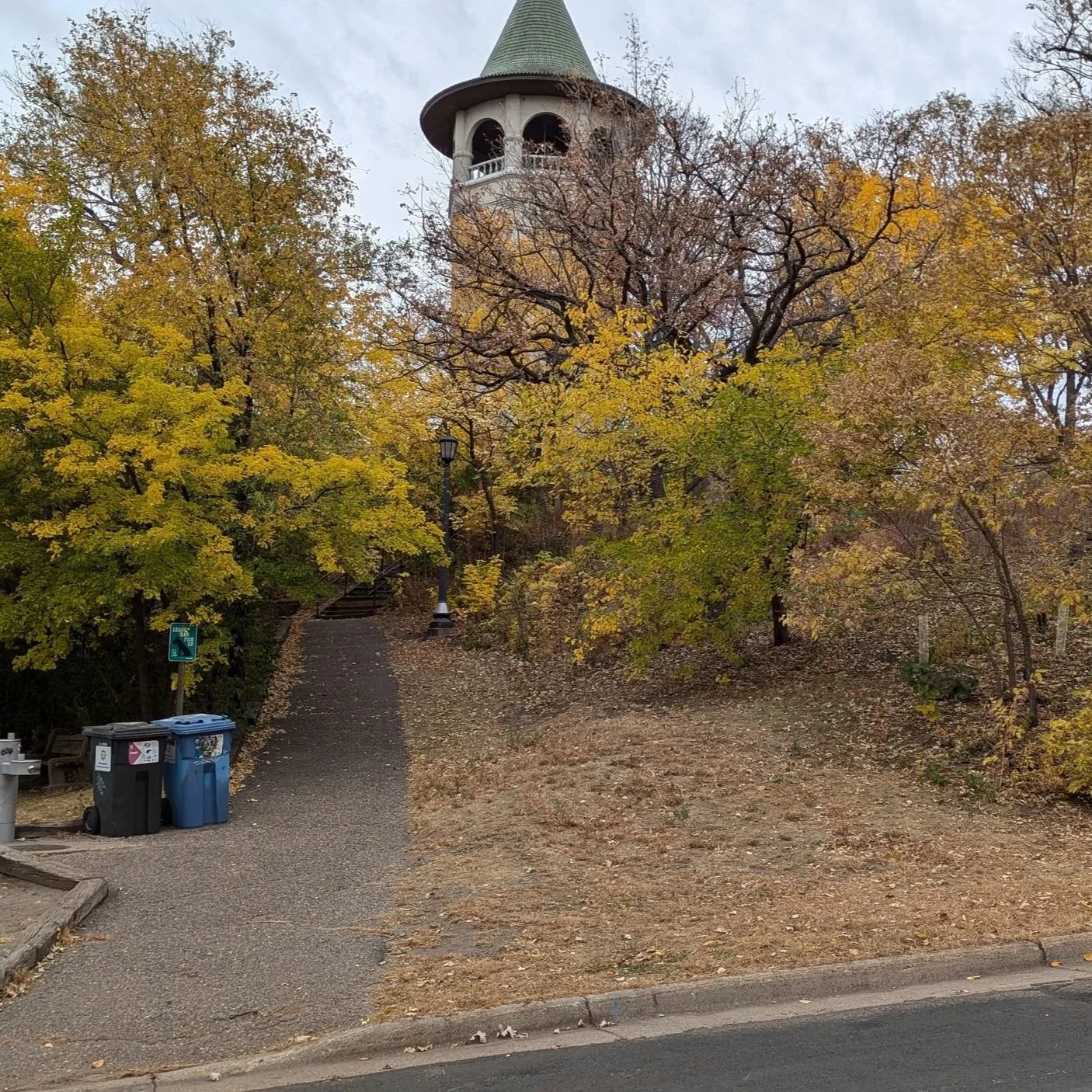
How to Manage Buckthorn Without Herbicide
Invasive buckthorn is notoriously difficult to manage. The two invasive species in North America, common buckthorn (Rhamnus cathartica) and glossy buckthorn (Frangula alnus), grow quickly to shade out native plants and form dense, impenetrable thickets. If cut and not treated with herbicide, buckthorn stumps will vigorously resprout to create multiple trunks. So, how do you manage buckthorn when you can’t use herbicide?

Using the Chelsea Chop for Native Plants
Native plants have a reputation for being “wild”, but that doesn’t mean they can’t be managed for aesthetics. Simple maintenance techniques can prolong flowering, minimize flopping (plant stems toppling sideways under their weight), and promote new growth throughout the growing season. In this post, I’ll focus on one gardening technique known as the Chelsea chop.

Native Plants to Replace Buckthorn
Managing buckthorn is a multi-year process with many techniques for removal. In this post, I’m focusing on revegetation after buckthorn removal. Recent research has shown that specific native plant species are well-suited for suppressing buckthorn regrowth. These species can outcompete buckthorn in spring and fall, helping revegetate open areas with bare soil. Complementary native plants can also benefit revegetation when planted alongside early establishment species. Check out these native plants for replacing buckthorn!
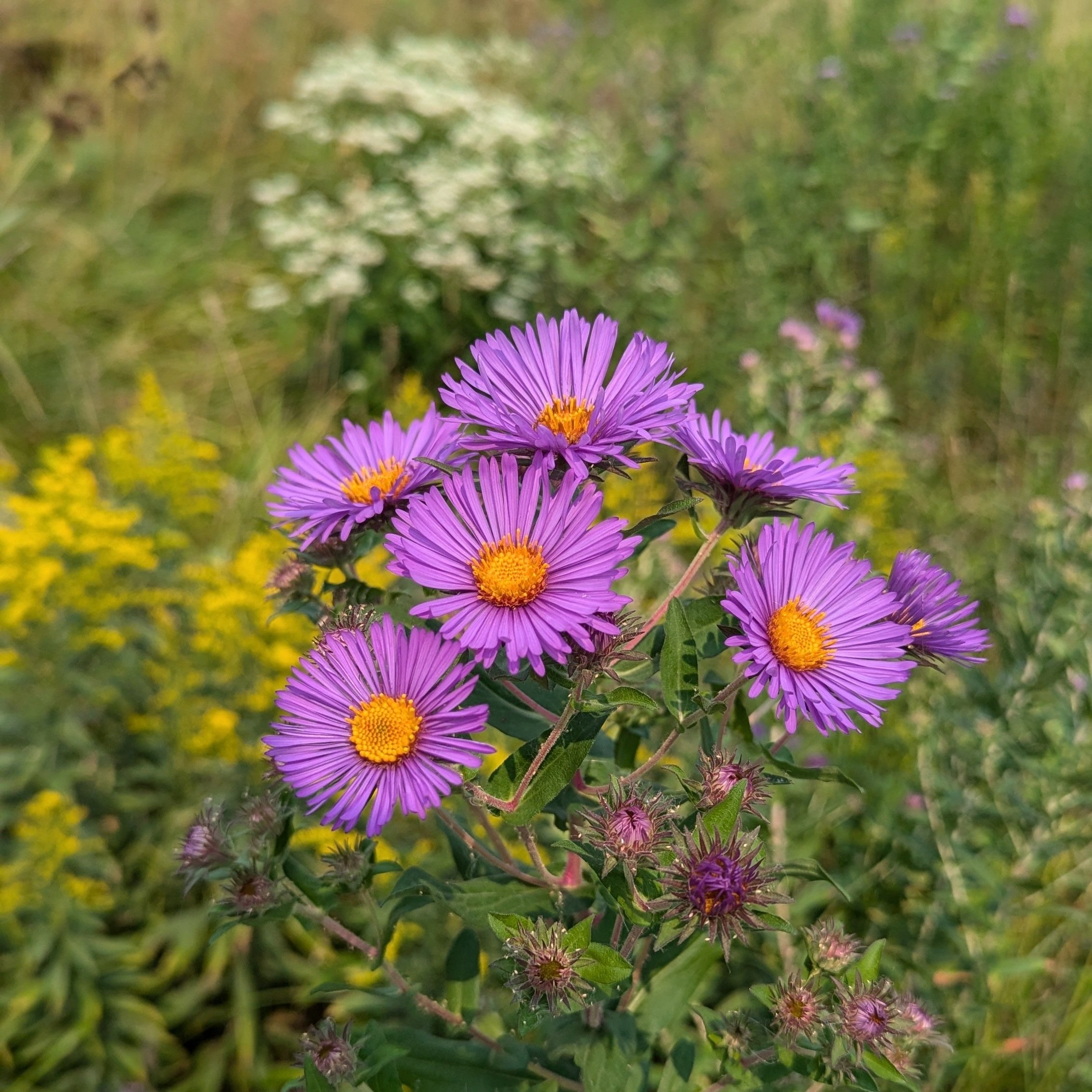
Bee Lawns and Native Landscaping
Bee lawns serve human functions first and foremost, so they have lower ecological value than a naturalistic landscape of native plants. Native bees are best served by a ground layer with varied height, diverse flowering plants, and patches of bare soil for burrowing. Bee lawns aren’t bad or unimportant. But bee lawns should be reserved for recreation areas and function best when planted alongside native, naturalistic landscaping.