Salt-Tolerant Native Plants for Tough Spaces
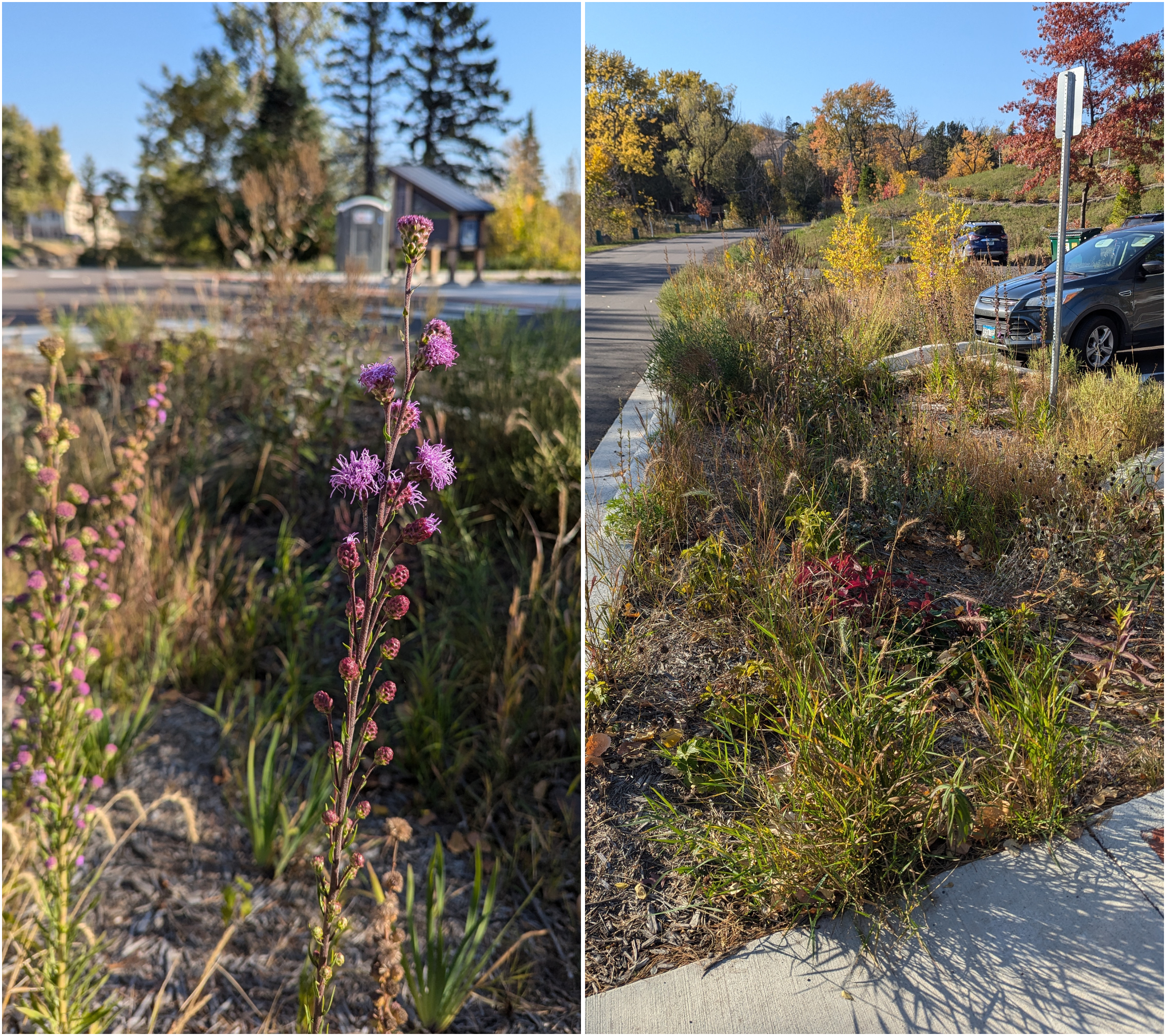
A young roadside rain garden in Lincoln Park, Duluth, Minnesota.
In Minnesota, we use a lot of salt. Our long, cold winters bring snow and ice, which can make streets, sidewalks, and steps dangerously slick. So, we put out rock salt to melt ice, add traction, and help protect humans from falls. No harm, no foul, right?
Sadly, it’s not so simple. Salt products applied to surfaces don’t disappear. They dissolve. Chloride salts leech into garden soils, drain into lakes, and seep into groundwater aquifers. They are permanent pollutants, meaning that there is no way to effectively remove salt once water has been contaminated. These elevated chloride levels kill plants, fish, and amphibians adapted to freshwater conditions.
And, yes, our deicing salts are to blame. The Minnesota Pollution Control Agency (MPCA) has found that more than 42 percent of chloride pollution in Minnesota waters comes from road salt use.
Salt has an essential role in winter safety, but it needs to be used sparingly and smartly. Smart Salting practices are an important step in reducing chloride pollution. However, some level of salt will likely always be present along roadways, sidewalks, and driveways. So, it’s smart to plan susceptible plantings for salt pollution.
Numerous native plants are adapted to tolerate salty soil conditions. These tough growers can take a lot of abuse, making them ideal for boulevard gardens and rain gardens receiving road runoff. Use them to create habitat and support pollinators in difficult soil conditions!
Here are a few of my favorite salt-tolerant native plants for tough spaces. All of these plants are native to Minnesota and can be readily purchased at native plant nurseries. For plant suggestions that are even more specific to your site, I recommend trying the Blue Thumb plant finder to further customize your search.
Grasses and Sedges
Side-oats Grama (Bouteloua curtipendula)
Side-oats grama is a tough prairie grass that establishes quickly and can serve as a green mulch through which other plants can grow. In addition to tolerating salt pollution, side-oats grama is drought-tolerant and can help conquer heavy clay soil.
Fox Sedge (Carex vulpinoidea)
Preferring full sun and adequate moisture, fox sedge has flowing-grass-like leaves. It can be an aggressive species in ideal conditions, quickly covering large areas. However, fox sedge rarely grows to exclude other native plants. Instead, it serves as a green mulch to retain moisture and suppress weeds.
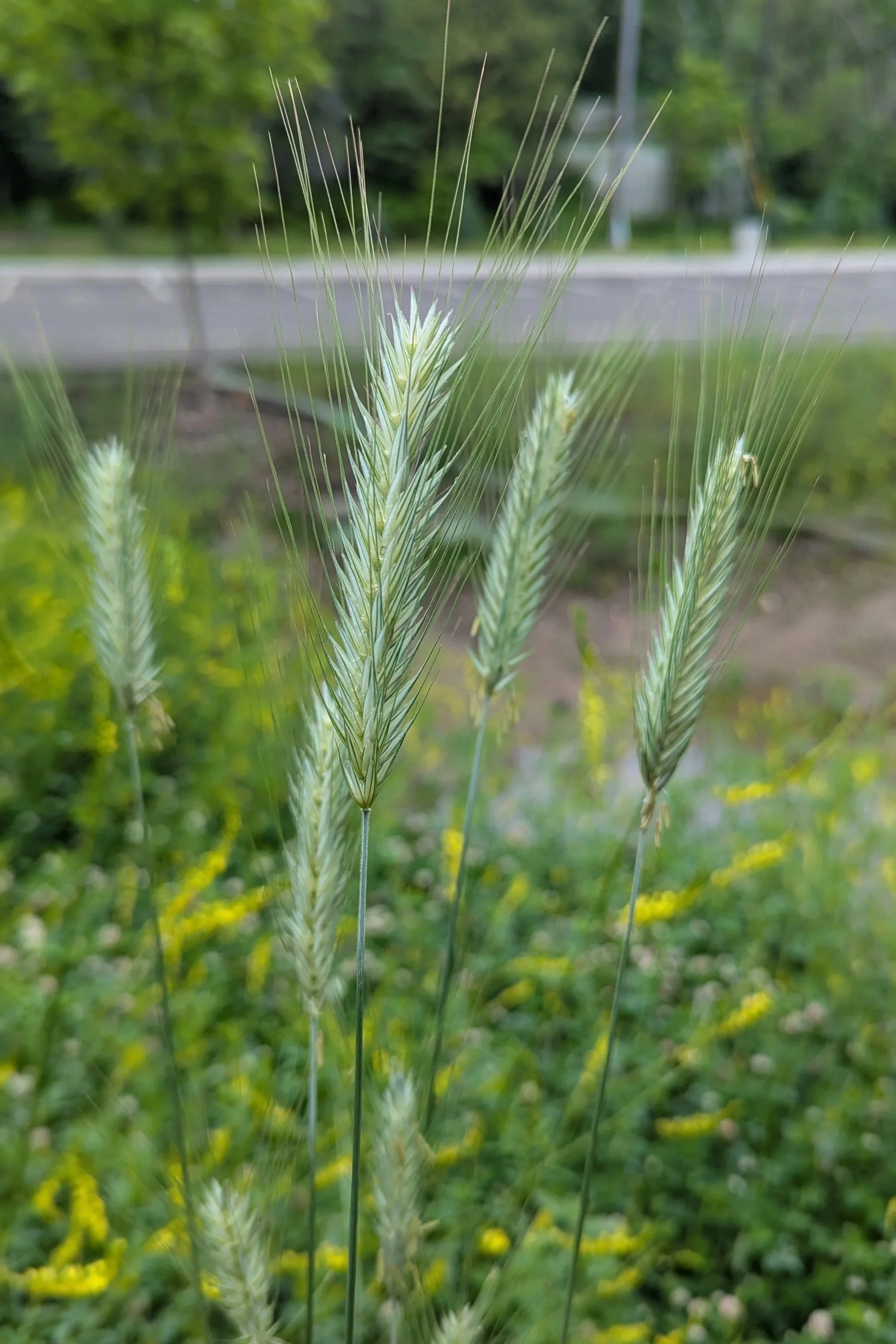
Canada Wild Rye (Elymus canadensis)
With long, brush-like awns, Canada wild rye is an eye-catching addition to native gardens. It can tolerate salt pollution, summer droughts, and even light foot traffic. Canada wild rye prefers full or partial sun.
Virginia Wild Rye (Elymus virginicus)
For shadier spots where you need a salt-tolerant grass, consider Virginia wild rye. It prefers partial sun and medium soil moisture, but can tolerate summer droughts.
Switchgrass (Panicum virgatum)
Known for growing along highways and waste areas, switchgrass can tolerate the toughest conditions. Salt, drought, and thin soil are no match for the tenacity of switchgrass. The tall seedheads add early winter interest before they break off and blow away like tumbleweeds.
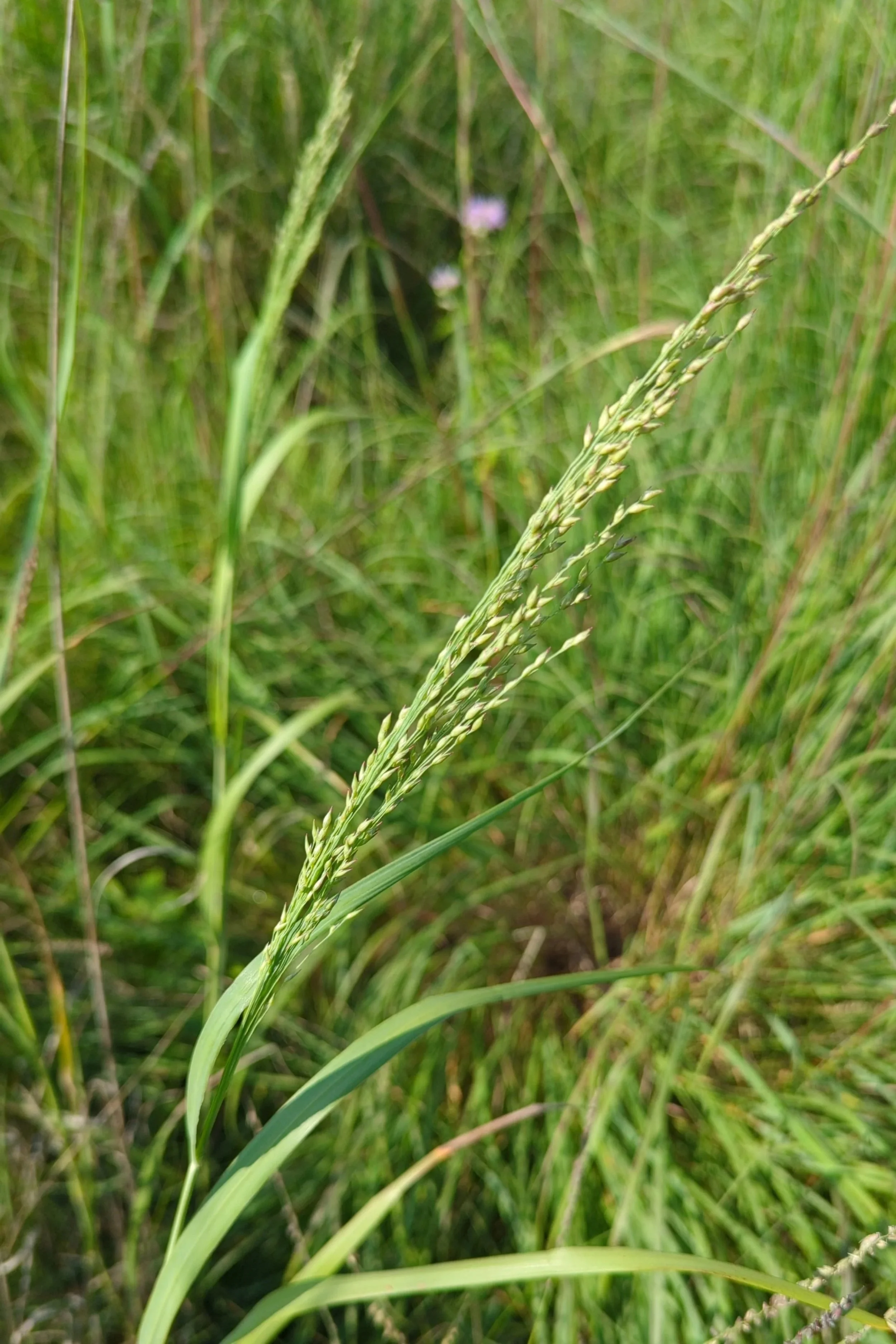
Indian Grass (Sorghastrum nutans)
Indian grass is an iconic tallgrass prairie plant, growing up to six feet tall. Its fine leaves catch wind remarkably well and create a constant sense of motion. Indian grass prefers drier soils but is quite adaptable to moisture as long it receives full sun.
Forbs
Anise Hyssop (Agastache foeniculum)
Ready for a pollinator party? Anise hyssop has a long bloom time with attractive purple flower spikes. It will tolerate salt and part to full sun, but prefers to keep its feet dry.
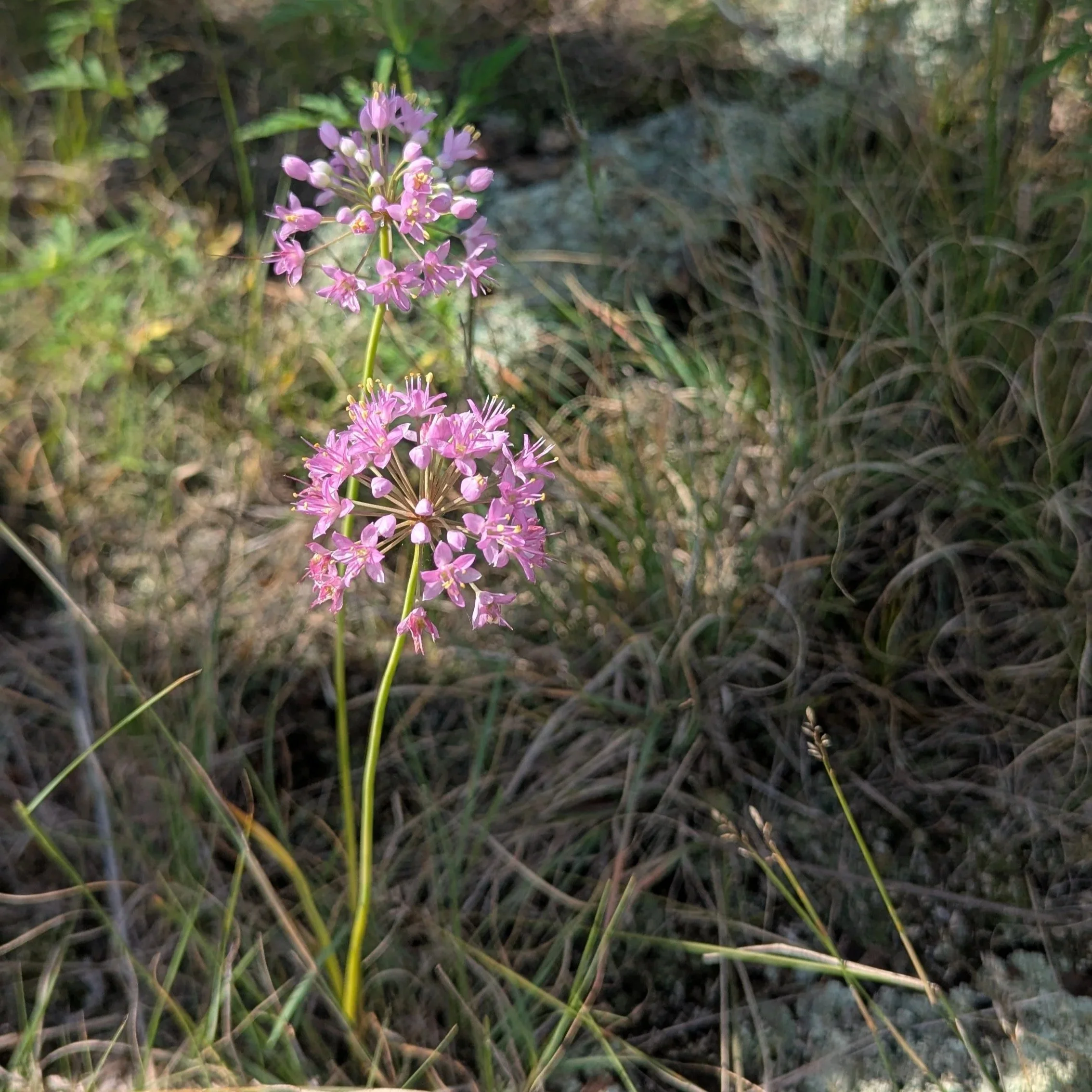
Nodding Onion (Allium cernuum)
Nodding onion will tolerate dry, sunny, and salty spots with ease. It’s perfect for rock gardens, crevice gardens, and boulevard plantings. Nodding onion won’t tolerate consistently moist soil, so save this plant for dry areas.
Common Milkweed (Asclepias syriaca)
Once prevalent across North America, common milkweed has become much less common as human settlement and agriculture have consumed habitat. This hardy wildflower is the host plant for monarch caterpillars. Additionally, the globe-shaped flower clusters attract pollinators of all sizes, including hummingbirds. Common milkweed is easy to grow, but be warned that its wind-dispersed seeds will spread throughout your garden. Plant with caution alongside competitive plants that can keep common milkweed in balance.
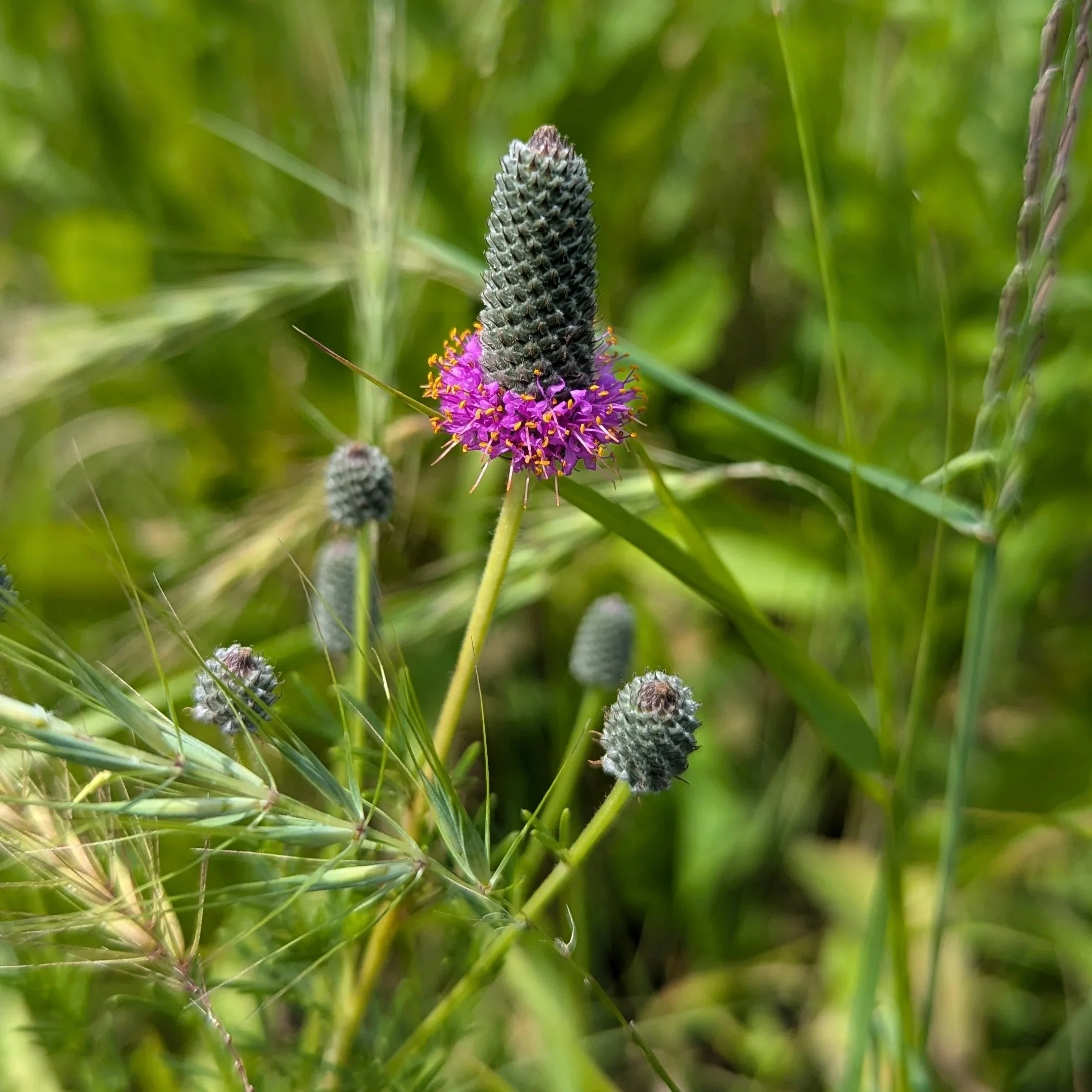
Purple Prairie Clover (Dalea purpurea)
Purple prairie clover is a native legume that fixes nitrogen in the soil, making this essential nutrient available to other plants. It has a deep root system that can tolerate salt pollution and occasional drought. The vivid purple flowers are especially popular with native bumblebees, including the federally endangered rusty-patched bumble bee.
Stiff Sunflower (Helianthus pauciflorus)
Native sunflowers are staples of North American ecosystems. Stiff sunflower is found in dry, sunny areas, like dry prairies and open sand dunes. It grows by rhizomes and is a vigorous species, tolerating salt pollution, drought, and high winds without a problem. However, that vigor may make stiff sunflower too aggressive for small gardens, where it can overwhelm other plants.
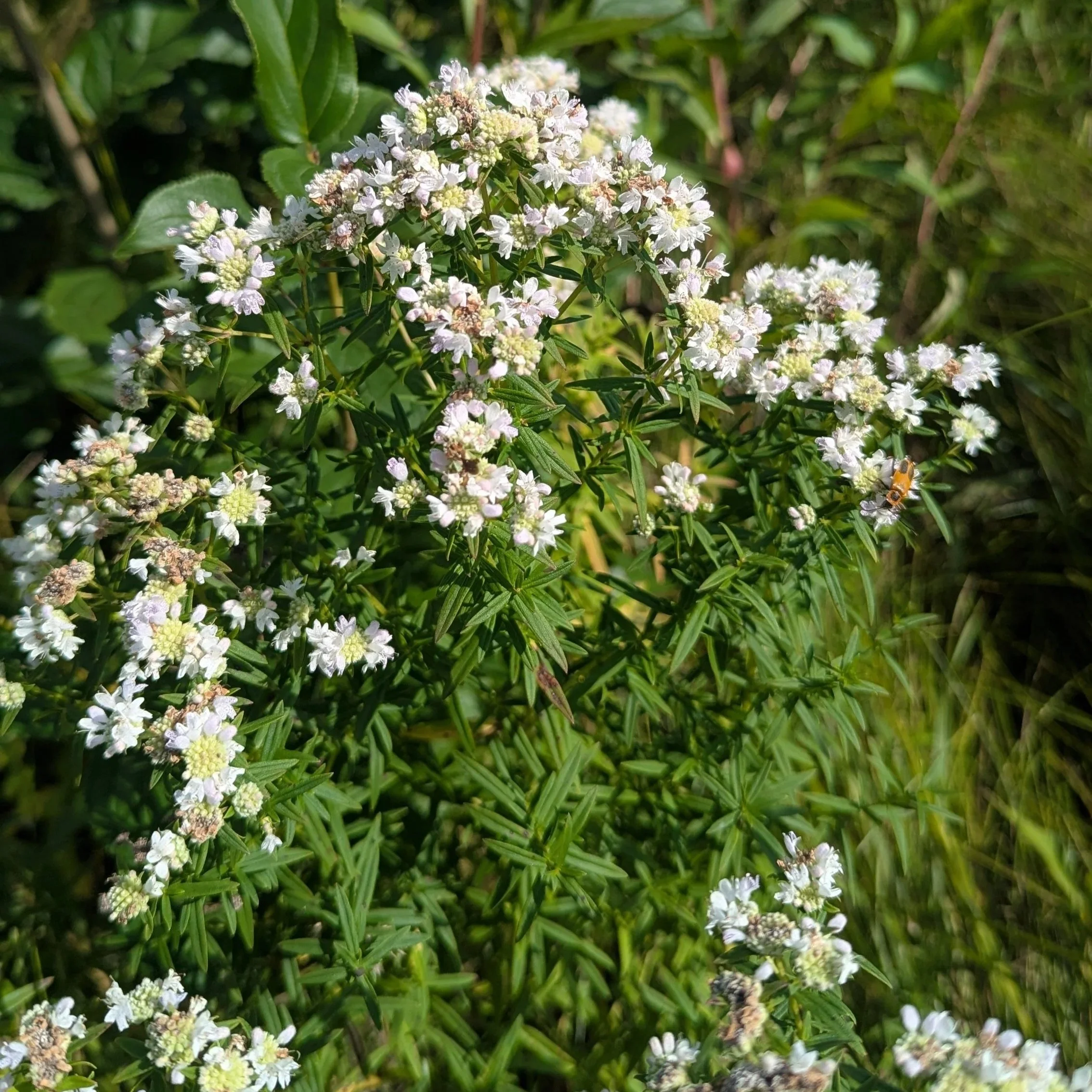
Mountain Mint (Pycnanthemum virginianum)
Native mint species are especially popular among pollinators and have the added benefit of being unpalatable to deer. While mountain mint can be aggressive, it is an excellent addition to native landscapes. Mountain mint can be kept in balance by planting alongside similarly aggressive species like wild bergamot and common milkweed.
Showy Goldenrod (Solidago speciosa)
With tall, yellow flowering spikes, showy goldenrod is an eye-catcher. It can tolerate tough soils and grows somewhat less aggressively than other goldenrod species. Goldenrods are essential ecosystem plants providing late-season pollinator resources.
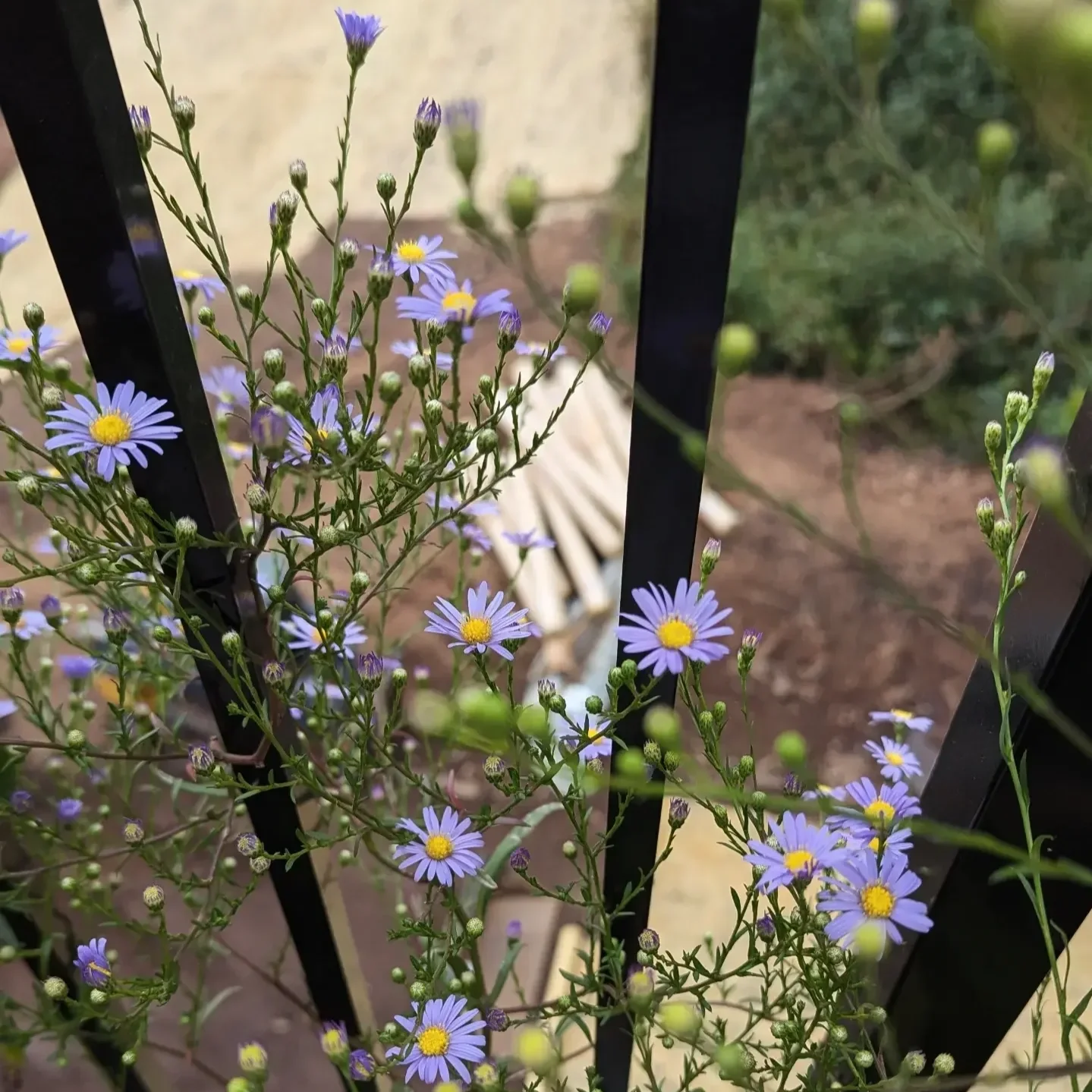
Sky Blue Aster (Symphyotrichum oolentangiense)
Sky blue aster is perfect for dry, sunny spots, though it will adapt to most conditions. This keystone plant explodes with azure flowers in fall, serving pollinators preparing for winter. Sky blue aster can tolerate harsh conditions, including high wind and salt pollution.
Silky Aster (Symphyotrichum sericeum)
Silky aster is a native of dry prairies and tops out at twelve inches tall. It is an excellent spreading groundcover for tough garden spaces like boulevards and driveway edges. Silky aster prefers full sun and drier soil.

Wild Bergamot (Monarda fistulosa)
Wild bergamot, often called bee balm, is a powerhouse flower for pollinators. It is adaptable to many conditions, but prefers full sun and good air circulation to prevent powdery mildew. Plant with caution in small spaces, as wild bergamot grows aggressively.
Ohio Spiderwort (Tradescantia ohiensis)
Add pops of purple and blue to border gardens with a spiderwort species. Ohio spiderwort grows quickly and can tolerate salt pollution, drought, and low-nutrient soil. Spiderwort spreads by seed and may pop up in nearby areas of your garden.
Blue Vervain (Verbena hastata)
Found frequently in ditches and along shorelines, blue vervain prefers wetter soils and full sun. It can tolerate significant salt pollution, making it a top choice for roadside rain gardens and boulevard plantings.
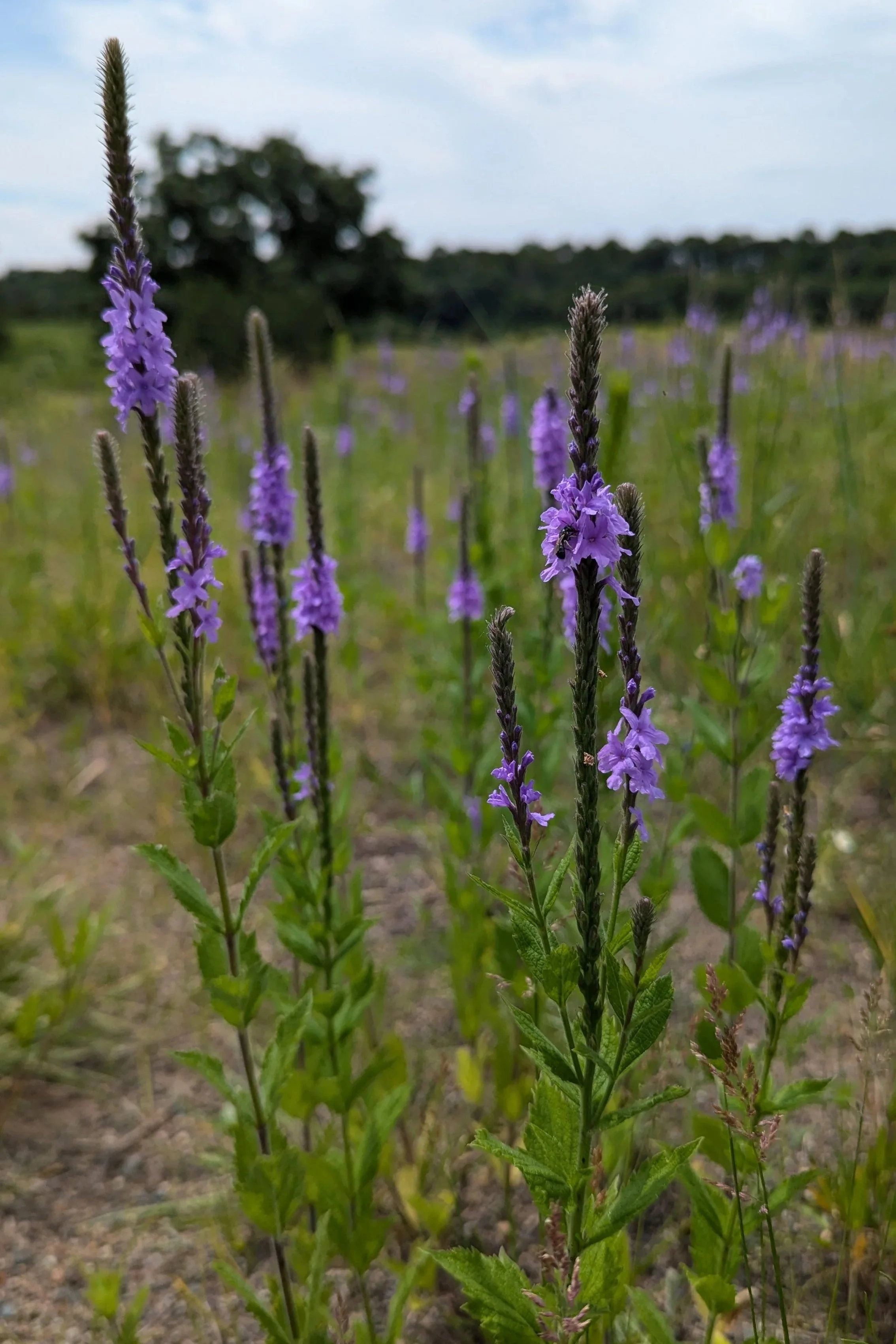
Hoary Vervain (Verbena stricta)
Preferring the other end of the soil moisture spectrum, hoary vervain thrives in drier sandy and rocky soils. It is a robust grower and tolerates tough conditions that cause other plants to wither. The purple flower spikes support many pollinators, including native bumblebees.
Golden Alexander (Zizia aurea)
Golden alexander grows best in wet soils, but is adaptable to most conditions. The flat yellow flowers are an important pollinator resource in late spring as ephemeral flowers fade but summer blooms have yet to start. Ideal for native landscaping.
Shrubs and Trees
Black Cherry (Prunus serotina)
Black cherry is the largest tree in the cherry family, occasionally growing up to 75 feet tall. Tart, edible cherries festoon the branches in summer, drawing diverse birds to feed. Like other species in the Prunus genus, black cherry is susceptible to black knot, which is unsightly but usually harmless.
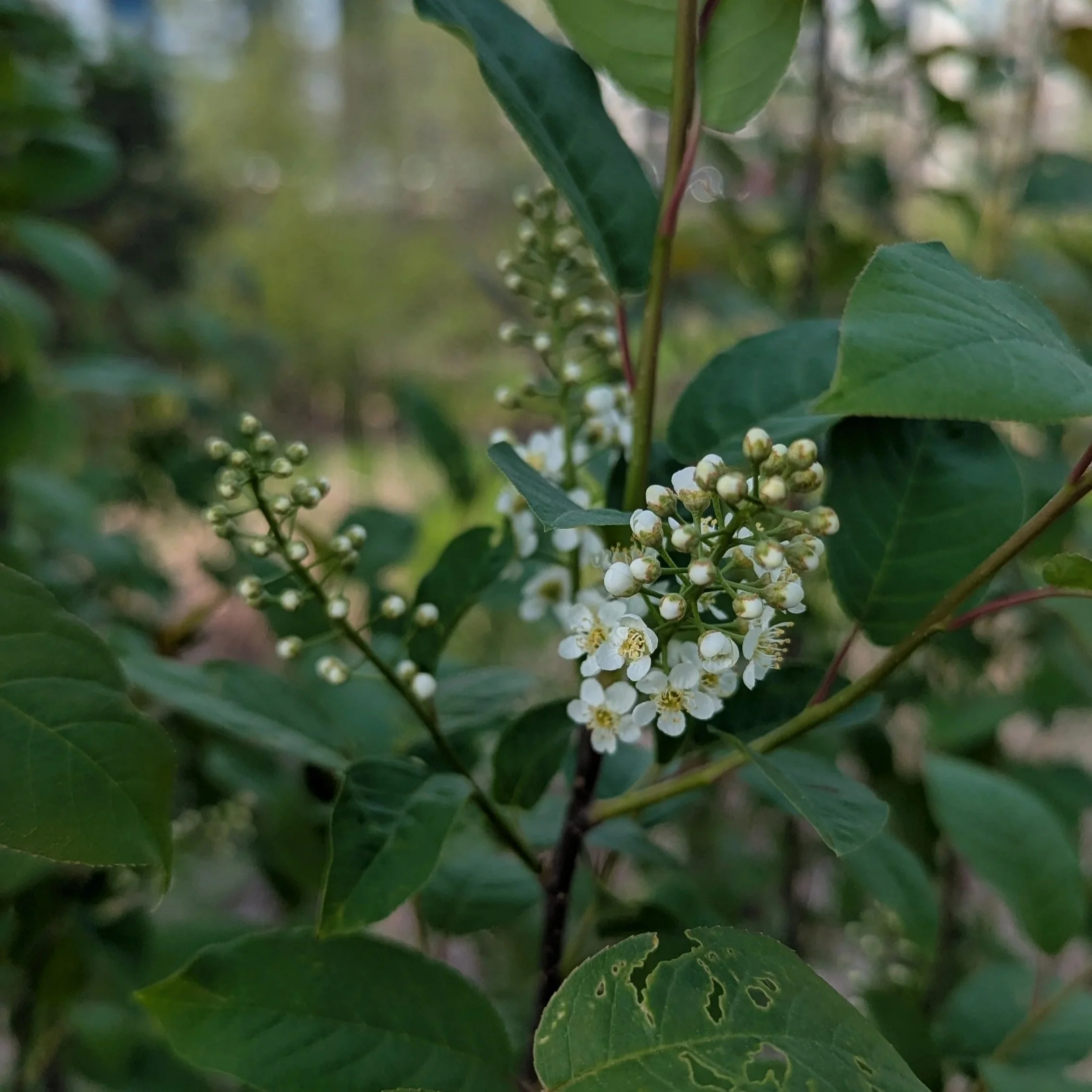
Chokecherry (Prunus virginiana)
Chokecherry is commonly found growing in thickets alongside streams and wetlands. It is quite adaptable to other conditions and makes a valuable addition to native gardens. The tart berries can be harvested and made into delicious jam and juice. Try planting chokeberry as a privacy screen or noise barrier along driveways and roads.
Common Snowberry (Symphoricarpos albus)
Clumps of white berries cover snowberry in winter, drawing birds looking for a winter snack. Snowberry spreads rapidly by suckers, helping to reduce soil erosion. It makes an excellent lower-growing shrub for both rain gardens and hillsides.
Bebb’s Willow (Salix bebbiana)
For larger rain gardens receiving salty runoff, Bebb’s willow is an excellent woody shrub. It grows clonally in thickets that create ideal wildlife habitat. The early spring flowers are among the first floral resources for pollinators.
Raring to go on designing a native garden but not sure where to start? Schedule a consultation with Nick’s Natives for expert help with native plant landscaping. From coaching and design to planting, maintenance, and restoration, our services can help your native plant garden last a lifetime. Book an on-site or virtual consultation at your earliest convenience!