
Blog
Learn about native species and ecological landscaping tips from a Minnesota Master Naturalist & Master Gardener.
Salt-Tolerant Native Plants for Tough Spaces
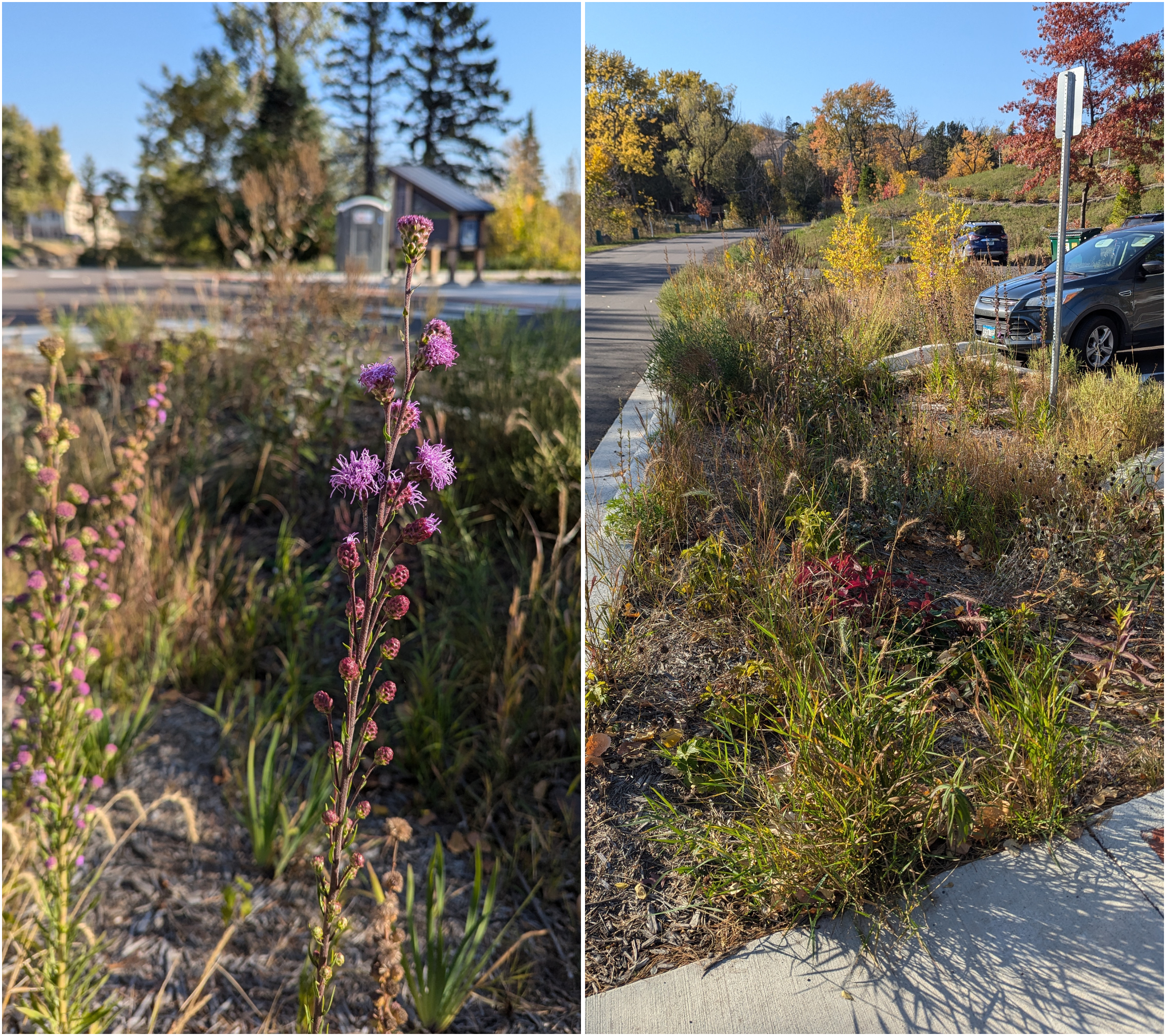
Salt has an essential role in winter safety, but it needs to be used sparingly and smartly to protect plants and freshwater. Where salt pollution is present in gardens, use native plants that are adapted to tolerate salty soil conditions. These tough growers can take a lot of abuse, making them ideal for boulevard gardens and rain gardens receiving road runoff. Use them to create habitat and support pollinators in difficult soil conditions!

Native Matrix Plantings for Monarchs
Monarch butterflies (Danaus plexippus) need our help! Once common across North America, monarch populations have collapsed due to the loss of milkweed and nectar-producing native plants. To preserve monarch populations, we need to add monarch-friendly native plants back into our landscapes. In this post, I’ll highlight three native matrix plantings (all 20’ x 10’) to support monarchs in various sun and soil conditions.

Planting for Rusty-Patched Bumble Bees
The rusty-patched bumble bee (Bombus affinis) once buzzed across half of North America, ranging from the Atlantic seaboard to the Dakotas. But habitat loss, pesticide use, and introduced diseases have decimated rusty-patched bumble bee populations. Restoring rusty-patched bumble bee populations is a task requiring many partners. But it’s easy to take important action on an individual level too. People living in regions with remaining rusty-patched bumble bee populations can add native plants that offer essential nutrition for rusty-patched bumble bees.
Bee Lawns and Native Landscaping
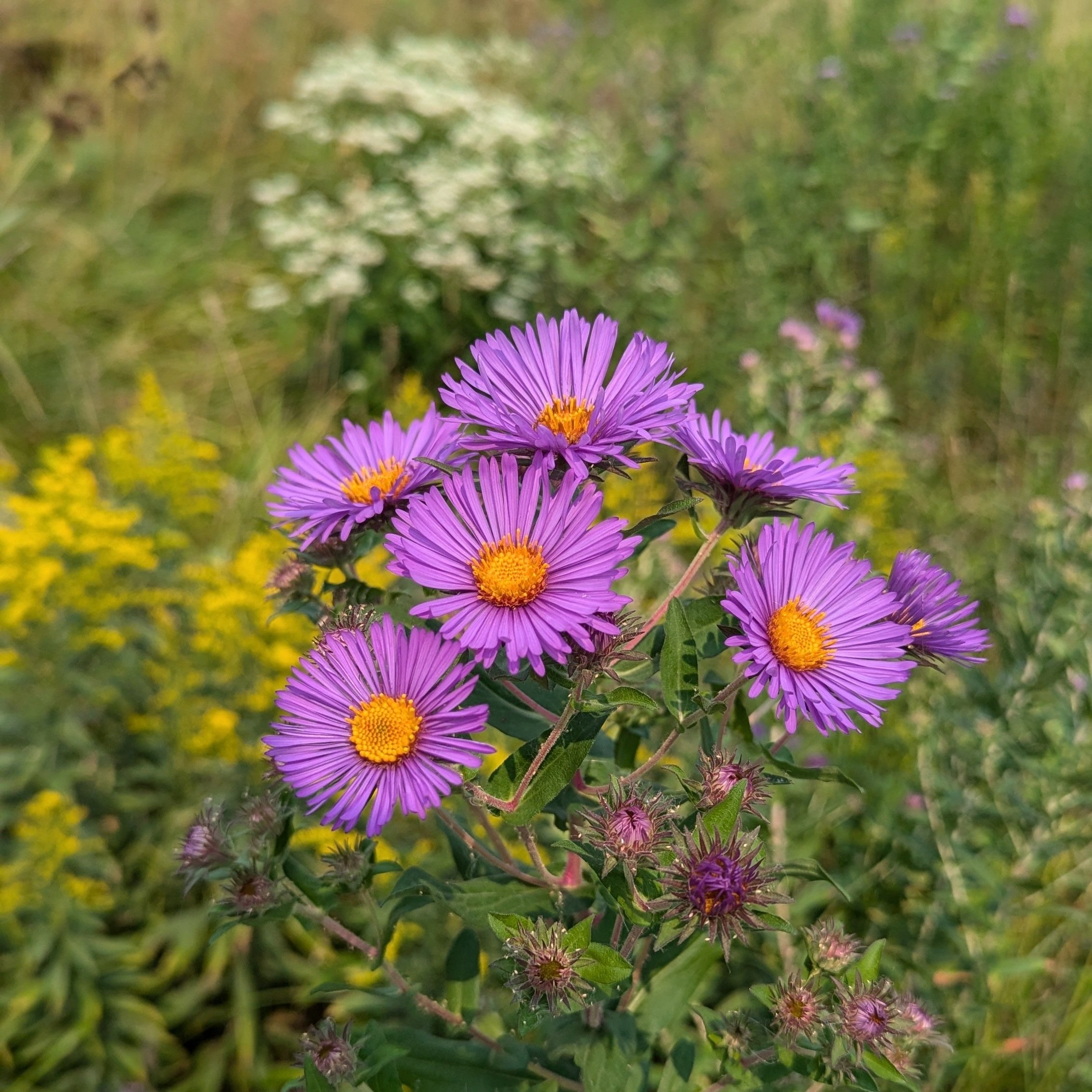
Bee lawns serve human functions first and foremost, so they have lower ecological value than a naturalistic landscape of native plants. Native bees are best served by a ground layer with varied height, diverse flowering plants, and patches of bare soil for burrowing. Bee lawns aren’t bad or unimportant. But bee lawns should be reserved for recreation areas and function best when planted alongside native, naturalistic landscaping.